

Abromovic and Hujar in Berlin
Governess Mode: Visit a museum or gallery

Given that Berlin is home to over 170 Museums, I have many left to visit.
Even after living here for nearly eight years, I am woefully behind in seeing all the cultural institutions this city offers, competing with many cities twice its size as one of the top five cities for museums in the world.
Martin-Gropius-Bau had long been on my list, and when artists Peter Hujar and Marina Abromovic had shows there simultaneously, I knew it was time.
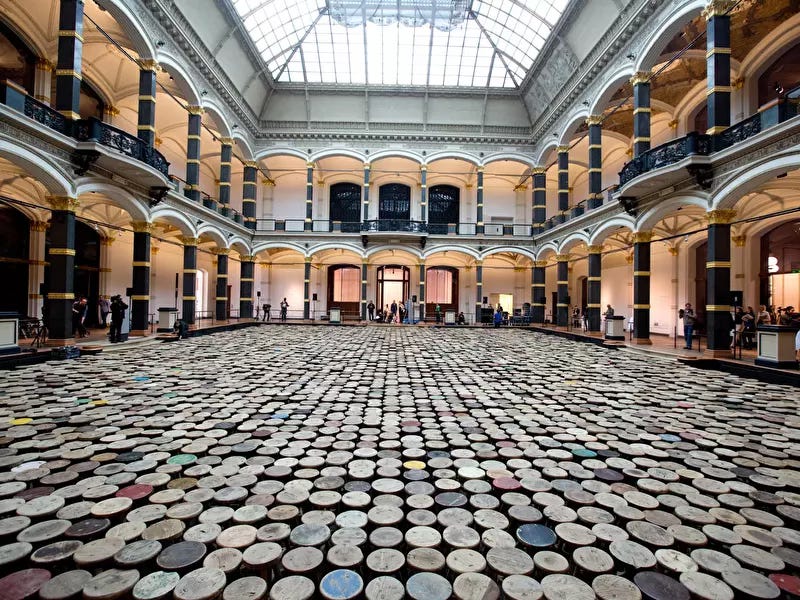
Originally opened in 1881 as both a museum and educational facility, the building was so badly damaged during the Second World War that it was nearly demolished in the 1960s. Thankfully one of the original architect’s grand-nephew, Walter Gropius, successfully had the building declared a landmark and renamed it Martin-Gropius-Bau after his relative, who co-designed the building with Heino Schmeiden. The restoration took from 1978 until 1999 and conserved both the building and the history of its damage in the war. Today it houses contemporary art and celebrates installations as part of its exhibits. 1
Abromovic
I have long been fascinated with Marina Abromovic’s work, particularly her installations. Having recently read The Museum of Modern Love by Heather Rose, which centers a novel around ‘The Artist is Present’ a durational piece she performed in the Museum of Modern Art in 2010, I was already connected with her work more deeply than before.
Rose’s novel takes the nearly three months Abromovic sat at a table opposite members of the public as the timeframe of the story, following one character as he faces his wife’s final illness, as well as the community that builds around those witnessing the installation. I found it haunting, and have always regretted not seeing this work in person.
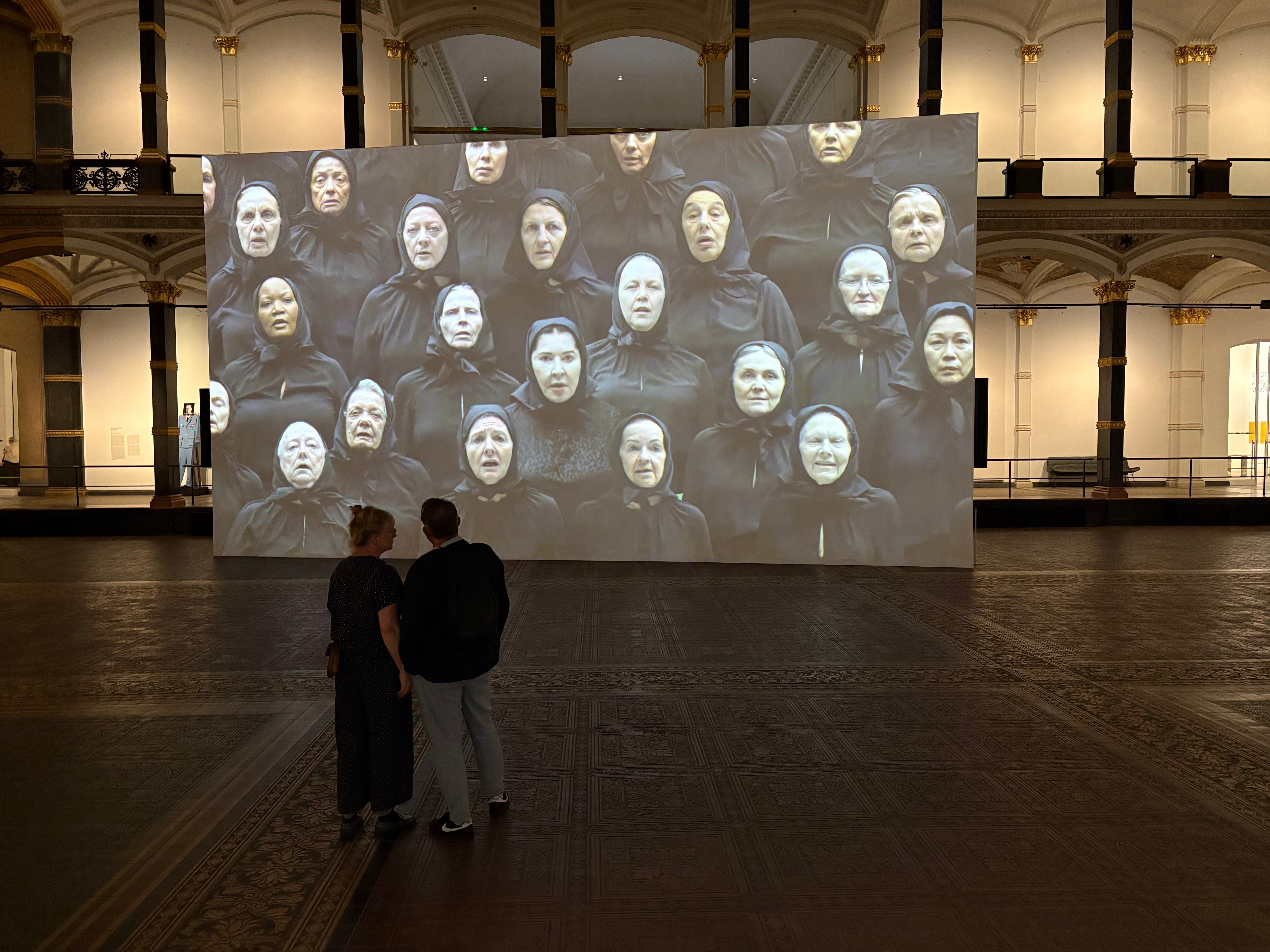
While Abromovic was not present in the museum this past weekend, each room of the show created an experience to sit with her creations, many of which feature video. The combination of the exploration of former Yugoslavia as a political power as well as her relationship to its folklore was riveting, at least for me.
I went with two men, one a friend, and one my husband, both of whom reported feeling curious about the work but not emotionally connected to it. Perhaps my having read a novel that gave me more context was what made the different for me, or perhaps her work means something different to women, but I have found myself thinking about it often in the days since seeing the work.


The visuals are extremely memorable from this show, not the least of which is a room featuring phallus statues twice the height of most humans, as well as the remnants of a star Abromovic burned in one of her earliest performance pieces in the 1970s. In addition, the themes of sexuality and death and how they intersect in Balkan culture appeared throughout.
Coming from a country that now faces conflict due to a dominant ruler, Abromovic’s work speaks to me differently than it might have a decade ago. I left the show driven to learn more about the folk traditions both of the Balkan region as well as German mythology, to better understand the past of where I now live. Much of the history I have learned about Germany centers around the world wars an the first half of the twentieth century, but I know that a deeper understanding of this place requires going much further back in time.
Peter Hujar
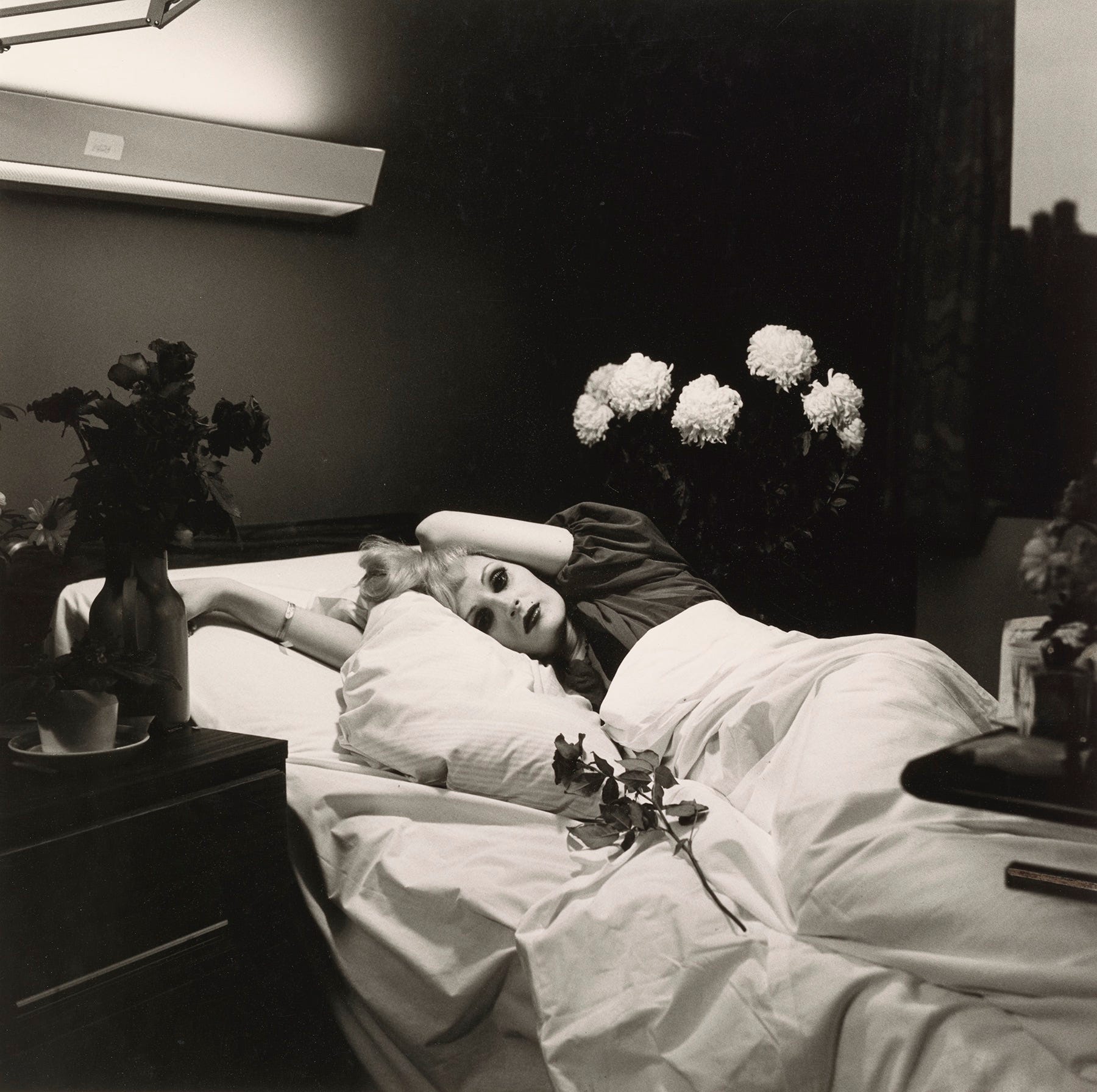
Photographer Peter Hujar lived from 1934-1987, and his work features many luminaries from the art world of New York in the 1960s, 70s and 80s. He took part in a master class of Richard Avedon’s along with Diane Arbus and similar to Arbus and Nan Goldin, documented figures from the counterculture of the time, especially within the queer community.
Many will recognize one of his photographs, perhaps not realize it is his (as I also didn’t), from the cover of Hanya Yanagihara’s bestselling novel, A Little Life:
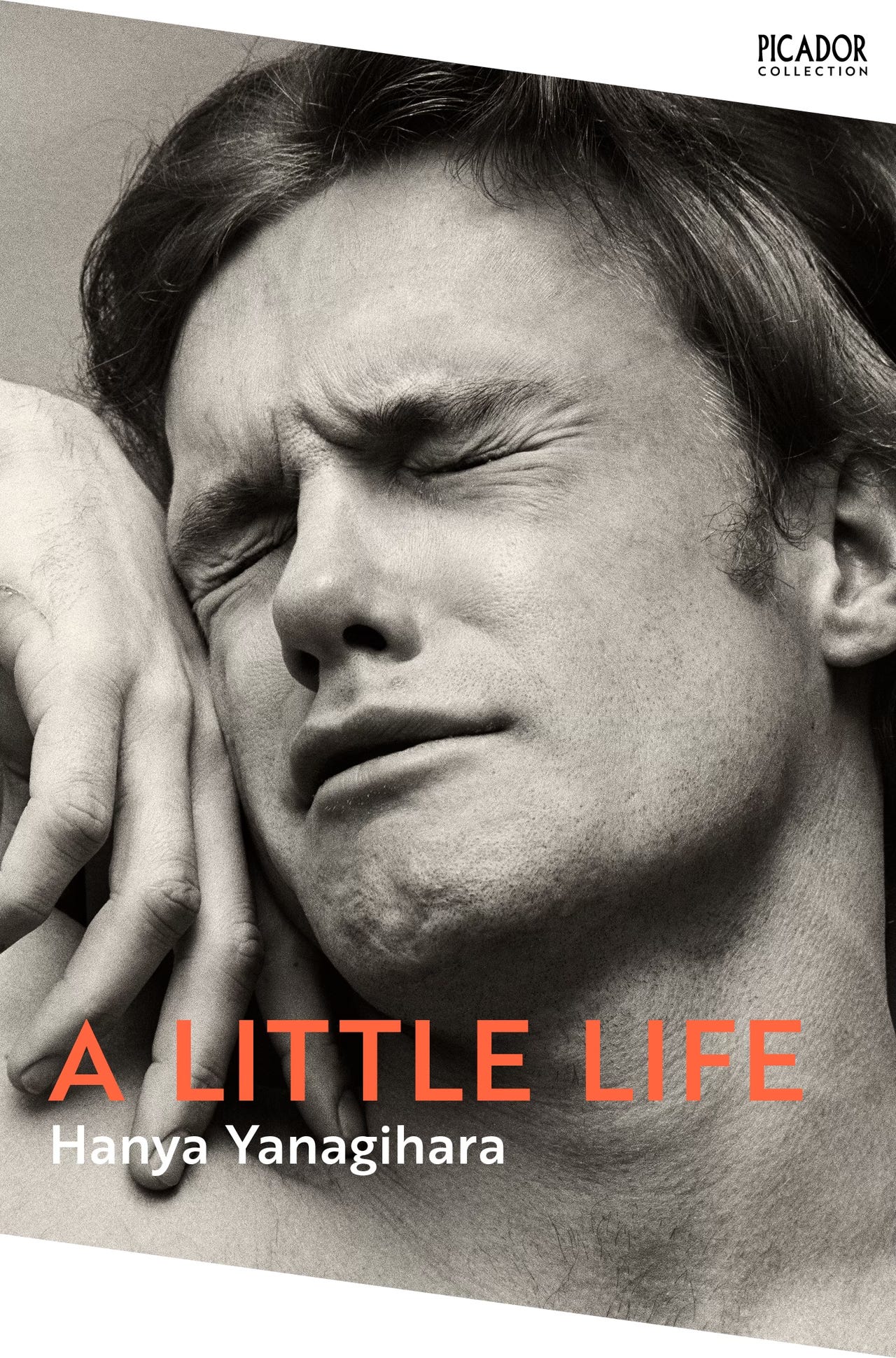
What struck me about this image being used for that novel was the title, ‘Orgasmic Man.’ In a novel that reveals so much suffering, the actual expression in this photograph is from a hopefully more joyful moment than the most tortured character in the novel experiences. Many have called this novel ‘trauma porn’, but I suspect the publisher couldn’t have known that would be the case when they selected the cover image.
However, I can see why Hujar was the choice for a story about a tight-knit group of male friends who face countless life challenges together, as Hujar’s oeuvre includes artists, intellectuals, and many luminaries of the queer community in New York from the 60s-80s. His work manages to be elegant and humane, giving members of society who were often overlooked or rejected a way to be seen and honored.
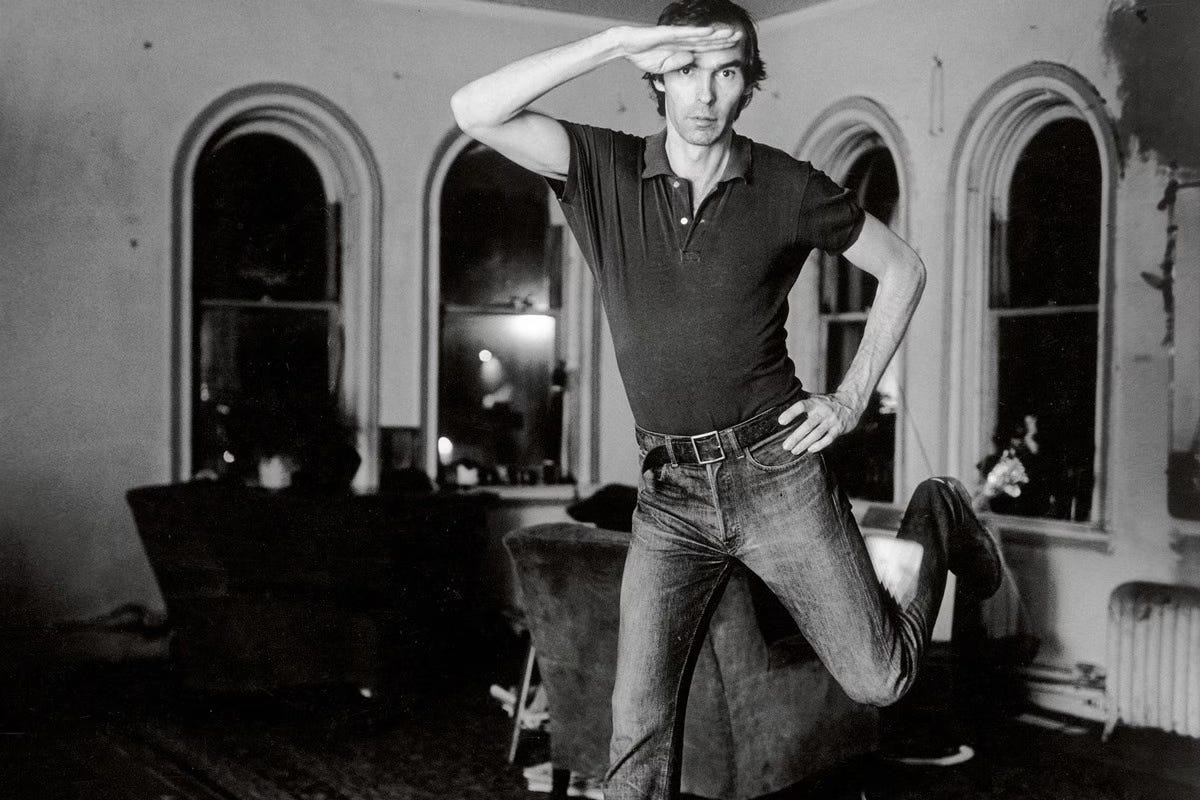
What struck me most was how many cards appeared on the walls with biographies of figures pictured. Whether this was because those living in Germany were likely unfamiliar with the subjects, or because much time had passed since they were well-known is hard to say. I admit there were many I didn’t know, even as an American who studied photography.
The tragedy is how many of his subjects were lost, including Hujar himself, in the AIDS crisis. Encountering his photographs lets us look into the eyes of brilliant people whose lives were stolen from them well before their time. It hit me particularly hard, knowing that the backlash against queer and trans rights continues, gaining steam in the US in recent years. I wish it were possible to look at these photographs with the comfort of knowing how far we’ve come, but that doesn’t currently feel like the truth.
Some exhibits bring joy, but this visit made me think.
In challenging times, I find we need both. Neither Abromovic nor Hujar’s art coddles the viewer. Instead, their pieces ask questions I’ve carried with me in the days and week since I spent time with what they created. My respect for them both has only grown.
For those not in Berlin this summer:
I recommend the book Peter Hujar’s Day to connect with him more directly. The friend I saw this exhibit with reports that the film adaptation, with Ben Whishaw as Hujar, is also excellent.
The novel The Museum of Modern Love by Heather Rose centers around Marina Abromovic’s installation ‘The Artist is Present’ at the Museum of Modern Art in NYC. I loved the novel and found it a compelling introduction to Abromovic’s work. I also plan to watch the documentary “The Artists is Present” to learn more.
This post is part of the Governess Season challenge, running June–August 2026.
A bingo board of adventures awaits, with prizes! Try something new, write about it, and share.
Get all the details here:

Learn more about the museum and plan a visit here: https://www.berlinerfestspiele.de/en/gropius-bau/ueber-uns/ueber-den-gropius-bau
Sounds fascinating! Beautiful building, too. I think I’ve heard of the novel, and it’s definitely going on my tbr.
I’m sure I’ve recommended the book The Lonely City (Olivia Laing) before, because I can’t stop thinking about it. Each chapter profiles an outsider artist or one portraying loneliness and anonymity in their work. These histories are interspersed with cultural/philosophical/psychological reflections on loneliness.
I believe Peter Hujar is in there, as succeeding chapters highlight the network of artists active in 1970s NYC, many involved in and documenting the gay scene.